Many Maryland residents are unaware that they may have unclaimed money or property being held by the state. Last fiscal year alone, more than $121 million was returned to rightful owners. If you have forgotten bank accounts, uncashed checks, insurance payments, or other assets, this guide shows how to search Maryland unclaimed property records by address or parcel ID, file a claim, and track its progress.
How to Search for Maryland Unclaimed Property
Finding unclaimed property in Maryland is a straightforward process, but using the right search details can help you locate records more quickly and accurately. Before starting, gather any information that may be associated with the property, such as your full name, previous addresses, business name, or ZIP code.
In Maryland State
Step 1: Open the Maryland Unclaimed Property Search Tool
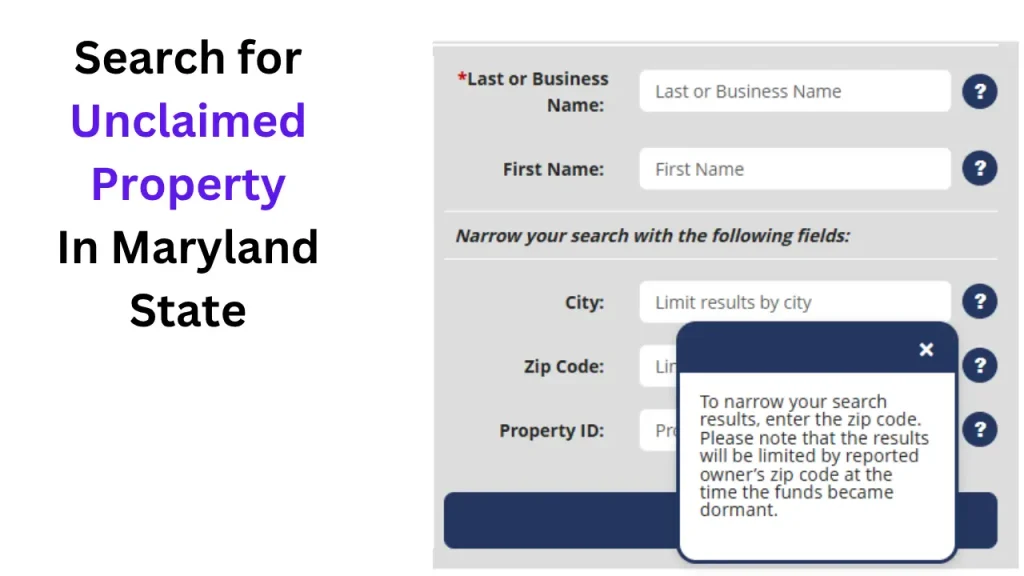
Visit the state’s unclaimed property search portal and navigate to the search section. This tool allows individuals, heirs, and businesses to look for funds or assets that may have been reported to the state after a period of inactivity.
Step 2: Enter Your Name or Business Information
Begin by entering your last name or business name in the search field. If the initial search returns a large number of records, refine the results by adding details such as:
- First name
- City of residence
- ZIP code
- Previous mailing address
- Business name variations
Using additional identifiers can help distinguish your records from others with similar names.
Step 3: Review Matching Records Carefully
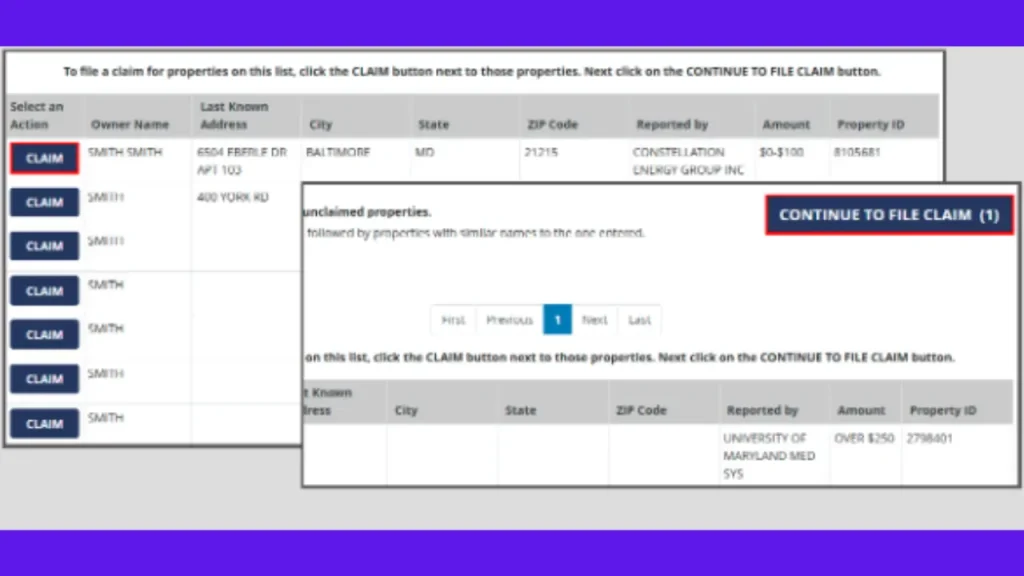
Search results typically display the owner’s name, last known location, reporting organization, and property type. Take time to review each record, especially if you have moved, changed names, or operated a business in Maryland.
Look for records linked to:
- Former addresses
- Closed bank accounts
- Uncashed payroll checks
- Insurance proceeds
- Utility deposits
- Business-related assets
Step 4: Select Eligible Property and Start Your Claim
When you find a record that appears to belong to you, select it and begin the claim process. You may be asked to provide proof of identity, address verification, or supporting ownership documents before the claim can be approved.
Pro Tip
If you do not find a match on your first search, try alternative name spellings, maiden names, previous surnames, business names, or older addresses. Many unclaimed property records are reported years after the owner loses contact with the asset, so searching multiple variations can improve your chances of finding money owed to you.
How to Claim Maryland Unclaimed Property
After locating a property record that appears to belong to you, the next step is submitting a claim. Providing accurate information and supporting documentation can help prevent delays during the review process.
Step 1: Verify the Property Details
Before filing a claim, carefully review the property record you selected during the search process. Confirm that the owner’s name, previous address, business information, and other identifying details match your records.
Review:
- Owner name
- Last known address
- Property type
- Reporting organization
- Business ownership information (if applicable)
Only proceed if the record appears to belong to you.
Step 2: Complete the Claim Application
Next, enter your claimant information. The state uses these details to verify ownership and process your request.
You may be asked to provide:
- Full legal name
- Current mailing address
- Email address
- Phone number
- Relationship to the property
Ensure your mailing address is accurate because any approved payment or official correspondence may be sent there.
Step 3: Confirm Your Mailing Address
In some cases, the system may request additional address verification. This step helps prevent fraud and ensures payments are delivered to the correct recipient.
Review the suggested address carefully and update any incorrect information before continuing.
Step 4: Submit the Initial Claim
Before final submission, review all information associated with your claim. Verify that your personal details and selected property records are accurate.
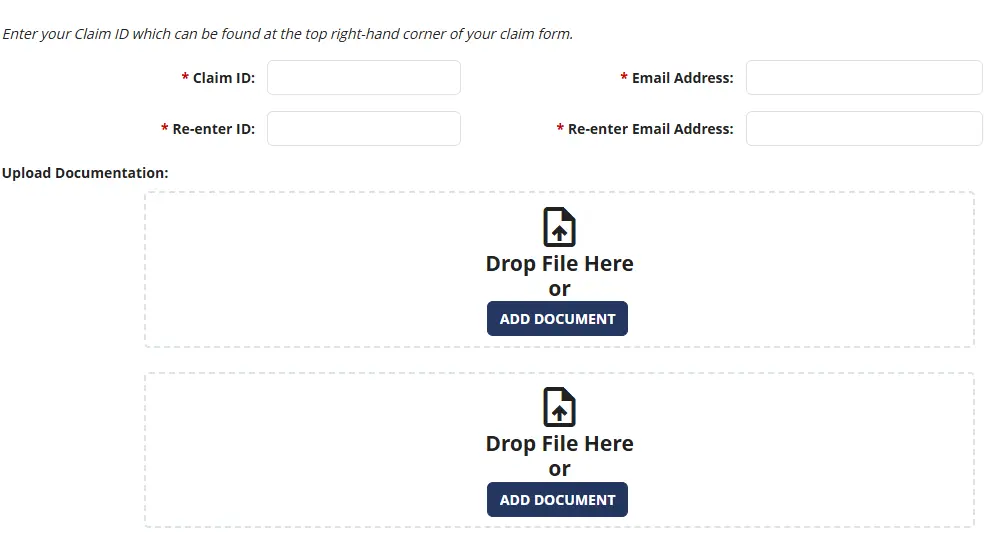
Once submitted, the system will generate a claim reference number. Save this number, as it will be required when checking your claim status later.
Step 5: Gather and Upload Supporting Documents
After submitting your claim, you must provide documentation proving your identity and ownership rights. Required documents vary by claim type, but most applicants should be prepared to submit:
- A completed and signed claim form
- Government-issued photo identification
- Proof of Social Security Number
- W-9 form for business claims
- Proof of address when requested
- Additional ownership documents if applicable
Certain claims, such as estate, heirship, or business-related claims, may require extra documentation during the review process.
Step 6: Submit Documentation for Review
Upload all required documents through the claim documentation portal. Before submitting, double-check that all files are clear, complete, and match the information provided in your claim application.
Providing accurate documentation from the beginning can help reduce processing delays and minimize requests for additional information.
Helpful Tip
Keep digital copies of your claim form, identification documents, uploaded files, and claim reference number. Having these records readily available can make it easier to respond to verification requests and track the progress of your claim.
How to Track Your Maryland Unclaimed Property Claim
After submitting your claim and supporting documents, you can monitor its progress online. Tracking your claim allows you to see whether additional documentation is needed and stay informed about the review process.
Step 1: Locate Your Claim Reference Number
Before checking your status, find the claim reference number that was assigned when your application was submitted. This number is typically included in:
- Your claim confirmation page
- The confirmation email received after submission
- Copies of your claim documents
Keeping this information saved can make future status checks much easier.
Step 2: Access the Claim Status Portal
Navigate to the claim status page and enter your claim reference number in the designated search field. The system will display the most recent update available for your claim.
Depending on the stage of review, you may see updates such as:
- Claim received
- Documentation under review
- Additional information requested
- Claim approved
- Payment issued
Step 3: Respond to Any Requests Promptly
If the reviewing office requests additional documents or clarification, submit the requested information as soon as possible. Delays in providing supporting documentation can extend processing times.
Helpful Tip
Save your claim reference number, confirmation email, and uploaded documents until the claim is fully processed. Having these records readily available can help resolve questions quickly and make tracking your claim more convenient.
Conclusion
Maryland’s unclaimed property program helps reunite residents, heirs, and businesses with money and assets that may have been forgotten over time. With more than $121 million returned to rightful owners in the last fiscal year alone, it is worth taking a few minutes to search the database and determine whether funds may be owed to you. By following the proper search, claim, documentation, and tracking procedures, you can improve your chances of successfully recovering property that legally belongs to you.
FAQs
What is Maryland unclaimed property?
Maryland unclaimed property refers to financial assets that have been abandoned or left inactive for a specified period. Common examples include dormant bank accounts, uncashed payroll checks, insurance proceeds, utility deposits, stocks, and refunds that could not be delivered to the rightful owner.
How do I search for unclaimed property in Maryland?
You can search Maryland’s unclaimed property database using your name, business name, address, or other identifying information. If multiple records appear, adding a city or ZIP code can help narrow the results.
Is there a fee to claim Maryland unclaimed property?
No. Property owners can search for and claim their unclaimed property directly through the state’s official process without paying a search or recovery fee.
What documents are required to claim unclaimed property?
Most claims require a signed claim form, a government-issued photo ID, proof of Social Security Number, and supporting documents verifying ownership. Additional documentation may be requested depending on the type of claim.
How long does it take to receive unclaimed property in Maryland?
Processing times vary based on claim complexity and document verification requirements. Claims with complete and accurate documentation are generally processed more quickly than those requiring additional review.
Can heirs claim unclaimed property on behalf of a deceased owner?
Yes. Heirs, beneficiaries, and estate representatives may be eligible to claim unclaimed property. However, they typically must provide additional documents such as death certificates, probate records, or letters of administration.
What types of assets are included in Maryland unclaimed property?
Unclaimed property may include bank accounts, payroll checks, insurance benefits, securities, trust funds, utility deposits, refunds, and other financial assets that have remained inactive for the state’s required dormancy period.
Can businesses claim Maryland unclaimed property?
Yes. Businesses can search for and recover assets owed to their company. Business claims often require a W-9 form and documentation showing authority to act on behalf of the organization.
How can I check the status of my Maryland unclaimed property claim?
You can track your claim online by entering the claim reference number provided when your application was submitted. The system will display the latest status updates and any additional requirements.
Does Maryland unclaimed property ever expire?
In many cases, unclaimed property remains available for the rightful owner to claim. However, specific rules may vary depending on the asset type and applicable state laws.